

Which Items Are Getting Cheaper After GST 2.0 in India (2025)?
Overview of GST 2.0 Reform
The GST 2.0 reform, effective from September 22, 2025, is a landmark overhaul of India’s Goods and Services Tax system aimed at simplifying tax slabs and reducing the tax burden on essential consumer goods and services. The reform reduces GST tax slabs from multiple rates (5%, 12%, 18%, 28%) to primarily just two: 5% and 18%, while introducing a 40% slab reserved for luxury and sin goods. This restructuring is projected to ease inflation for consumers and revive demand across sectors.
The government’s strategy focuses on making day-to-day items cheaper, supporting household budgets, and stimulating broader consumption-led economic growth. Several items that were earlier taxed at 12% and 18% GST will now be taxed at the lower 5% slab. Meanwhile, luxury items, large cars, and products deemed non-essential or harmful are subject to higher taxes.

Daily Essentials and Household Items
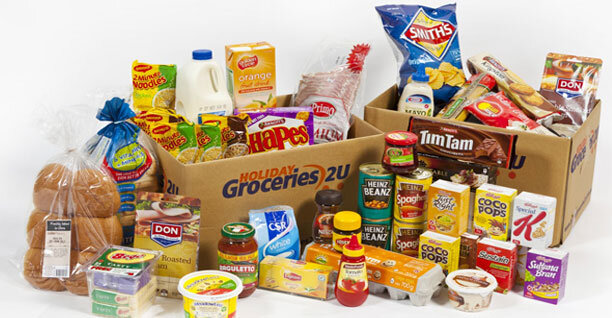
A significant number of daily-use items have seen their GST rates cut from 12% or 18% to 5%, making them notably cheaper for consumers. These include:
- Hair oils, shampoos, toothpaste, toilet soaps, tooth brushes, and shaving creams
- Butter, ghee, cheese, and dairy spreads
- Pre-packaged namkeens, bhujia, and mixtures
- Utensils and kitchenware
- Feeding bottles, baby napkins, and clinical diapers
This tax reduction is expected to translate into visible savings on everyday essentials, especially benefiting middle- and lower-income households by easing routine expenses.
Automobiles Becoming More Affordable
The automobile sector also benefits from the GST 2.0 reform with tax reductions making select vehicles cheaper:
- Petrol and petrol hybrid cars with engine capacity under 1200 cc and length below 4000 mm have moved from 28% to 18% GST
- Diesel and diesel hybrid cars under 1500 cc and length below 4000 mm also now attract 18% GST down from 28%
- 3-wheeled vehicles and motorcycles with engine capacity 350 cc and below are taxed at 18% instead of 28%
The removal of compensation cess on cars over 4 meters combined with these GST cuts makes smaller and mid-sized vehicles more affordable for Indian consumers.

Electronics with Lower GST Rates
Several electronic appliances have seen a drop in GST rates from 28% to 18%, making household electronics more accessible. Key items include:
- Air conditioners
- Televisions above 32 inches including LED and LCD TVs
- Monitors and projectors
- Dishwashing machines
This is likely to reduce upfront costs for consumers looking to upgrade or buy new electronics, thus boosting the demand in this sector.

Healthcare and Agriculture Benefits
GST 2.0 provides relief to critical sectors such as healthcare and agriculture by significantly reducing GST rates or exempting essential products:
- Individual health and life insurance now taxed at 0%
- Medical devices such as thermometers, glucometers, test strips, diagnostic kits, and medical-grade oxygen moved from 12%-18% to 5% or nil
- Tractors, tractor tires, and various agricultural machines have GST cut from 12%-18% to 5%
- Bio-pesticides, micro-nutrients, drip irrigation systems, and other farming equipment now attract 5% GST
These reductions help lower costs for farmers and health service providers, contributing to better affordability and service delivery.

Education and Stationery Items
Education-related materials now benefit from zero GST rates, reducing costs for students and schools:
- Maps, charts, and globes exempted from GST
- Pencils, sharpeners, crayons, and pastel colors now GST-free
- Exercise books, notebooks, and erasers included in zero tax category
This move improves access to affordable learning materials for children and supports the education ecosystem.

Frequently Asked Questions (FAQs)
Summary
The GST 2.0 reform ushered in a simpler tax structure with predominantly two slabs: 5% and 18%, slashing tax rates on numerous essentials while imposing a high 40% slab on luxury and sin goods. Consumers can expect noticeable savings on daily necessities like personal care, processed food, and household items. Automobiles, electronics, healthcare products, and agricultural equipment also become more affordable thanks to lowered GST rates. The exemption of educational materials further supports affordability in schools.
Overall, GST 2.0 represents a positive step toward easing inflationary pressure, stimulating consumption, and supporting India’s middle-class consumer base in 2025 and beyond.