

Effect of American Tariff on India and Major Indian Government Measures to Counter It (2025)
Introduction: Overview of US Tariffs on India
In 2025, the United States government imposed a series of steep tariffs on Indian goods, dramatically escalating trade tensions between the two nations. Starting with a 25% tariff in early August, the US administration doubled the duty to 50% by late August, targeting a wide array of Indian exports. This move stems chiefly from political and strategic disagreements, including India's continued imports of Russian oil amid geopolitical friction.
The tariffs affect Indian exports worth billions of dollars and have posed a severe challenge to India’s trade relationship with its largest export partner. The hike undermines India’s competitive position globally, threatening export-driven economic growth and cost competitiveness in critical manufacturing and labour-intensive sectors.

Impact of American Tariffs on Indian Economy and Exports
Prolonged tariffs at a 50% rate are estimated to reduce India's GDP growth by approximately 0.3% to 0.8%, representing a notable economic drag for 2025 and beyond. Exporters face increased costs that make their products commercially unviable in the highly competitive US market, with forecasts indicating a decline in Indian exports to the US by up to $35 billion in the fiscal year.
The tariffs severely disrupt India's $87 billion export engine to the US, directly affecting jobs, especially in labour-intensive sectors. In some regions, this has led to factory shutdowns and layoffs, exacerbating economic challenges in vital industrial hubs such as Tamil Nadu and Gujarat related to Garments and Food etc.

Major Indian Sectors Hit by American Tariffs
Several key sectors that account for a large share of India’s exports to the US are bearing the brunt of these tariffs:
- Textiles and Apparel: Facing up to 50% tariffs, textile exports to the US have seen demand plummet, threatening thousands of jobs and production halts in towns like Tiruppur and Surat.
- Gems and Jewelry: High-value yet labour-intensive, this sector is losing its cost competitiveness and market share due to tariffs affecting imported value chains.
- Leather and Footwear: The significant tariff hike reduces growth prospects and export profitability.
- Shrimp and Seafood: Exporters suffer thin profit margins that tariffs further erode, risking livelihoods across coastal regions.
- Furniture, Chemicals, and Industrial Goods: These sectors also struggle with tariff-driven price hikes impacting US market share.

Indian Government Measures to Counter US Tariffs
In response to this unprecedented tariff escalation, the Indian government has introduced several strategic measures to mitigate the fallout and support affected industries:
- Relief Packages and Financial Support: The government plans credit guarantees for exporters and small businesses with overdue loans, easing liquidity constraints and sustaining operations.
- Tax Cuts and GST Reductions: Consumption taxes on hundreds of goods were lowered to boost domestic demand and buffer export sector slowdowns.
- Export Diversification & Market Access: India is accelerating efforts to diversify export markets beyond the US, strengthening ties with ASEAN, Africa, and Europe to reduce dependency risks.
- Promotion of Atmanirbhar Bharat (Self-reliant India): Renewed focus on domestic manufacturing and the Production Linked Incentive (PLI) schemes aiming to enhance competitiveness and attract investments.
- Support for Labour-Intensive MSMEs: Targeted interventions to stabilize sectors most impacted by tariffs, especially textiles, footwear, and jewelry manufacturing units.
Geopolitical and Strategic Responses
Beyond economic measures, India has engaged in a nuanced geopolitical strategy in response to these tariffs:
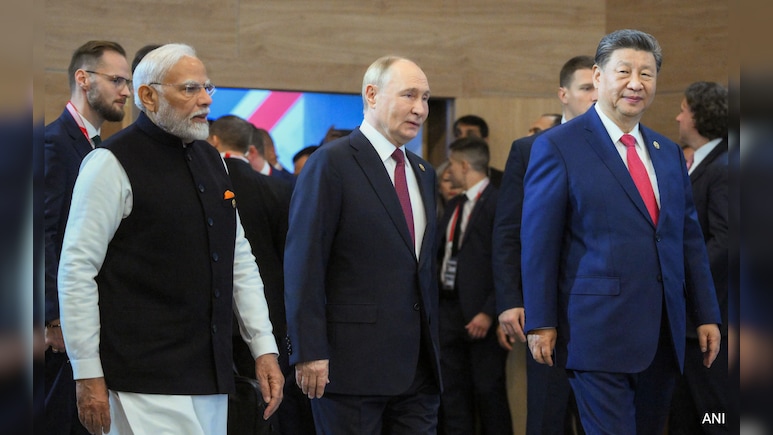
- Strengthening Strategic Partnerships: India has sought to deepen relations with China and Russia, signaling a pivot toward diversified geopolitical partnerships amid US trade tensions.
- Diplomatic Engagements: High-level diplomatic efforts continue to resolve trade disputes while safeguarding broader bilateral relations.
- Promoting Trade Agreements: India is expediting negotiations on regional and bilateral trade agreements to secure preferential access and compensate for tariff disadvantages.
Recent GST Reforms to Boost Local Demand
As part of its countermeasures to US tariffs, the Indian government has implemented significant GST (Goods and Services Tax) reforms in 2025 aimed at accelerating local demand. These reforms include reducing GST rates on a slew of consumer goods across segments such as electronics, apparel, and automobiles. The objective is to lower the tax burden on end consumers, thereby encouraging higher consumption within the domestic market.
Additionally, streamlined GST compliance and faster refund processes have been introduced to improve liquidity for businesses, especially MSMEs, enabling them to invest more confidently in local production and distribution. These reforms are designed to stimulate economic activity at the grassroots level, cushioning the negative impact from declining export orders due to tariffs. By strengthening internal demand, India hopes to balance export slowdowns with robust domestic consumption growth.

Concise Summary
The 2025 US imposition of steep 50% tariffs on Indian goods has significantly disrupted India's export economy, hitting vital sectors like textiles, gems, and seafood. The Indian government is actively countering these impacts via financial relief, tax reductions, diversification of trade partners, and enhanced domestic manufacturing initiatives. Simultaneously, India pursues a complex geopolitical approach to navigate the trade tensions and protect its strategic interests. While challenges persist, these multi-pronged responses aim to sustain economic growth and safeguard millions of jobs dependent on exports to the US market.